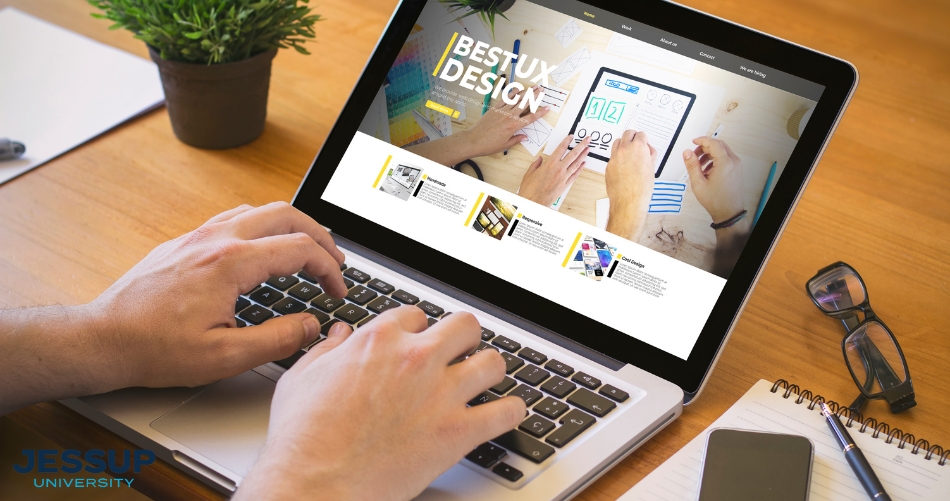
Discovering Imaginative Fads in Web Design for Modern Companies
The landscape of web design is continuously advancing, reflecting the vibrant demands of contemporary services. Current fads highlight a choice for minimalism, strong typography, and interesting interactivity. Firms increasingly prioritize user experience with mobile-first principles and personalized material. Furthermore, a focus on sustainability is gaining grip. Comprehending these fads is crucial for businesses aiming to stand out in a crowded market. What ramifications do these changes hold for the future of electronic engagement?
Embracing Vibrant Typography
Bold typography has emerged as a specifying element in contemporary web design, catching interest and conveying messages with striking clarity. This pattern focuses on visually impactful message that boosts user interaction and brand identity. Designers frequently make use of one-of-a-kind fonts and oversized font styles to create a power structure, leading visitors through content effortlessly.
The strategic use vibrant typography permits effective storytelling, making it possible for brands to connect their worths succinctly. It offers not only aesthetic objectives but additionally practical ones, as it boosts readability across gadgets and display sizes.
As websites complete for user attention, bold typography stands apart in a saturated electronic landscape. Its adaptability makes it possible for designers to experiment with contrasting shades and formats, additionally amplifying its effectiveness. Eventually, accepting strong typography stands for a change towards more communicative and expressive web design, fostering a deeper link between brands and their target markets.
The Increase of Minimalist Design
As electronic settings come to be progressively cluttered, the rise of minimal layout provides a revitalizing alternative that prioritizes simplicity and functionality. This design philosophy strips away unneeded components, permitting web content to take facility phase. By concentrating on tidy lines, adequate white space, and a restricted shade scheme, minimal design boosts user experience and enhances navigation.
Services embracing this fad purpose to share their brand name message clearly and effectively, promoting a sense of calm and clarity. The lack of interruptions aids individuals concentrate on necessary info, causing enhanced engagement and conversion prices. Furthermore, minimal design aligns well with mobile-first techniques, making certain that websites remain obtainable and user-friendly across numerous gadgets.
Inevitably, the surge of minimal style shows a more comprehensive change towards prioritizing user demands and preferences, making it an effective device for modern-day organizations looking to make a long-term influence in the digital landscape.
Immersive Animations and Interactivity
While lots of internet developers embrace minimal appearances, another engaging pattern gaining grip is using immersive computer animations and interactivity. This technique enhances user engagement by developing appealing experiences that draw visitors into the material. Designers employ vibrant components such as animated histories, scrolling impacts, and interactive infographics to connect complex ideas in an accessible manner.
These computer animations not only offer visual rate of interest yet additionally overview customers via the navigation process, making interactions a lot more intuitive. Float impacts and animated shifts can encourage users to explore better, leading to increased time spent on the site.
This fad aligns with the wider movement in the direction of storytelling in web design, where animations offer as narrative devices that convey brand messages properly. By incorporating immersive animations and interactivity, businesses can separate themselves in a congested online landscape, eventually improving user complete satisfaction and brand commitment.
Mobile-First Style Principles
Mobile-first layout principles stress focusing on user experience by ensuring web sites function flawlessly on smaller displays. This technique integrates receptive design techniques that adjust to numerous gadget dimensions while preserving aesthetic integrity. In addition, it concentrates on touchscreen navigating design, boosting functionality for mobile customers.
Prioritizing User Experience
Just how can designers properly prioritize user experience in a progressively mobile-centric world? Emphasizing mobile-first layout concepts is vital, as users mostly engage with sites via smart phones. This strategy urges designers to simplify content, ensuring it is quickly obtainable and navigable on smaller sized displays. Secret practices include simplifying navigation, minimizing load times, and utilizing touch-friendly components that enhance interactivity. In addition, focusing on legible typography and user-friendly designs can significantly improve user complete satisfaction. Developers should continuously collect user comments to improve their techniques, adjusting to developing user requirements and preferences. By concentrating on these aspects, services can develop an interesting electronic experience that cultivates commitment and drives conversions, eventually straightening with the assumptions these days's mobile customers.
Receptive Design Techniques
Designers accept receptive design methods to produce adaptive and versatile web experiences that satisfy various screen sizes. This method prioritizes mobile-first layout principles, making certain peak functionality on smaller gadgets prior to scaling up for bigger displays. By making use of liquid grids, flexible pictures, and media questions, designers can preserve a cohesive aesthetic identity throughout all platforms. This technique not only boosts user interaction but additionally boosts online search engine rankings, as mobile-friendly sites are favored by search formulas. In addition, receptive formats allow businesses to get to a wider audience, accommodating customers on smartphones, desktops, and tablet computers alike. Generally, executing these strategies is necessary for modern web design, guaranteeing that organizations stay affordable in an ever-evolving digital landscape.
Touchscreen Navigation Layout
With the rise of mobile tools, touchscreen navigation has come to be a basic element of web design. Developers are progressively taking on mobile-first concepts to enhance user experience and engagement. web design company. Efficient touchscreen navigating focuses on larger switches and instinctive gestures, allowing individuals to communicate conveniently with web content. This approach lowers frustration and urges expedition, as users can navigate perfectly with their fingers. Furthermore, including swipe gestures and tap performance satisfies the all-natural actions of mobile customers. Responses systems, such as visual hints and animations, enhance functionality better by validating activities. As touchscreens dominate user interactions, employing these style aspects not just straightens with modern expectations yet also fosters a more delightful and obtainable browsing experience for all individuals
Individualized User Experiences
What makes a user feel genuinely involved on an internet site? The solution often depends on individualized user experiences. By tailoring content and navigation to individual choices, businesses can create a meaningful link with their audience. This visit this website personalization can be accomplished via numerous methods, such as analyzing user behavior, using cookies, and using customized recommendations based upon previous communications.
For example, ecommerce systems that recommend items based on searching history not just improve user experience however also raise conversion rates. Additionally, incorporating vibrant web content that adapts to the user's area or time of day can even more click here for more enrich involvement.
Furthermore, customized greetings or messages can make users feel valued and understood. As modern-day organizations endeavor to stick out in an affordable electronic landscape, accepting customized user experiences becomes crucial, fostering loyalty and motivating repeat gos to. Inevitably, this approach transforms a common site into an interactive platform that resonates with its audience.
Sustainability in Web Design
As the digital landscape proceeds to evolve, the value of sustainability in web design has actually gained considerable attention. Developers are significantly mindful of the environmental impact their developments can have, motivating a change in the direction of environmentally friendly techniques (web design company). Sustainable web design focuses on optimizing web sites to minimize power intake and carbon impacts. Approaches consist of utilizing minimalistic design principles, enhancing photos, and utilizing reliable coding practices to boost loading rates
The option of hosting suppliers plays a crucial duty; lots of designers are currently opting for green organizing solutions powered by eco-friendly power. By focusing on availability and easy to use navigation, lasting styles likewise deal with a more comprehensive target market, enhancing use. This conscious technique not just attract environmentally-minded customers but additionally adds to the general longevity and performance of sites. Ultimately, sustainability in web design shows an expanding pattern towards accountable digital methods that line up with modern-day company values.
Often Asked Concerns
How Can I Choose the Right Color Design for My Internet site?
To select the appropriate color pattern for a web site, one ought to consider the brand name's identification, target audience, and emotional influence. Using color concept and testing mixes can improve user experience and aesthetic appeal substantially.
What Are the most effective Tools for Prototyping Website Design?
The most effective tools for prototyping resource web styles include Figma, Lay out, Adobe XD, and InVision. These systems provide intuitive user interfaces, collaboration features, and substantial libraries, making them ideal for designers to create and improve their principles effectively.
Exactly how Do I Measure the Performance of My Web Design?
To gauge web design performance, one must examine user engagement metrics, conversion rates, and usability feedback (Web Design Agency). A/B screening and heatmaps can additionally provide understandings right into user habits, directing necessary adjustments for improved performance and user experience
What Prevail Web Design Mistakes to Avoid?
Common web design blunders include cluttered designs, bad navigation, slow filling times, lack of mobile optimization, insufficient comparison, and disregarding user feedback. Preventing these risks boosts user experience and enhances general performance of the website.
Exactly how Often Should I Update My Site Style?
An internet site design ought to be updated every two to 3 years, or faster if significant adjustments in branding or innovation occur. Routine updates keep the site fresh, practical, and lined up with existing user expectations.